
How to Start a Nurse Practitioner Practice: A Step-by-Step Starting Point

How do you start your own nurse practitioner practice? Start by deciding whom you want to care for and how you want to deliver that care. Then work through the requirements, business setup, payment decisions, and systems needed to serve patients. The exact path depends on your state, specialty, and practice model, but you do not have to figure out every detail on day one.
I'm Elizabeth Larson, an APRN and the founder of APRN Complete. I've helped build and manage healthcare practices, and I know how quickly an exciting idea can become a long list of unfamiliar terms: credentialing, payer enrollment, billing, EHRs, insurance, policies, and workflows.
The way forward is to take those decisions in a sensible order.
1. Decide what kind of practice you want to build
Before you form a company or shop for an EHR, ask yourself: What exactly am I building?
Think about the patients you want to serve, the clinical services you want to provide, and where care will take place. You might see patients in an office, their homes, senior living communities, through telehealth, or in a combination of settings.
This answer affects nearly every decision that follows. A home-based primary care practice has different scheduling and staffing needs from a telehealth behavioral health practice. Neither model is the right choice for everyone. The right choice fits your clinical skills, your patients' needs, and the life you want your practice to support.
You do not need to offer every possible service at launch. Begin with a clear set of services you are qualified to provide and can deliver well.
2. Verify the requirements that apply to your practice
Once you know what you want to build, find out what is required to provide those services in the places you plan to serve patients.
Review your state's APRN practice and prescribing requirements. Consider whether your services, practice setting, or business structure require additional licensing or registration. If you plan to offer telehealth across state lines, check the requirements in the state where the patient will be located during the visit.
This is one reason no single startup checklist works for every nurse practitioner in the United States. Your specialty, state, patients, and services matter. Confirm current requirements with the appropriate boards, agencies, payers, and qualified professionals before you act. Planning up front can save you time and frustration later.
3. Establish the business behind the practice
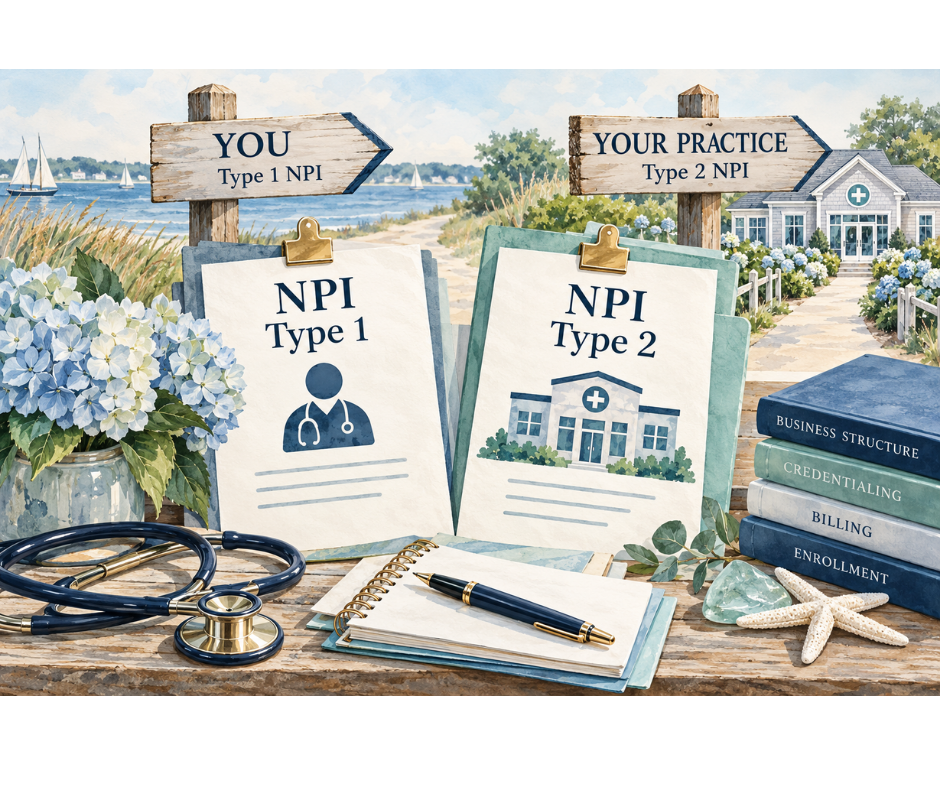
With your model defined, you can work through the business decisions that support it. These may include choosing an appropriate business structure, registering the business, obtaining any needed provider and practice identification numbers, such as NPIs, setting up business finances, and arranging insurance coverage.
It can be tempting to tackle these tasks as soon as you decide you want a practice. But a business name and an LLC do not, by themselves, create a practice that is ready to see patients. The setup needs to match the care you intend to provide and the way you intend to be paid.
This is a good stage to involve an attorney, accountant, or other qualified professional when a decision calls for their expertise.
4. Decide how your practice will be paid
Will you accept insurance, offer private-pay services, or use a combination of the two? Which payers matter to the patients you hope to serve?
Those choices affect enrollment, credentialing, contracting, billing, patient communication, and your launch timeline. If insurance will be part of your model, find out what applications and approvals are needed before assuming you can bill a payer for visits.
You also need a way to understand what happens after you submit a claim. Who will follow up on denials? How will you review payments and unpaid claims? A practice can be busy and still have financial problems if no one monitors incoming revenue.
5. Build workflows that support patient care
Picture a patient's experience from the first phone call through follow-up after the visit. How will they schedule? Complete forms? Reach the practice with a question? How will you document care, send orders, receive results, and make sure needed follow-up happens?
Your EHR matters, but software alone does not create a reliable process. Your EHR doesn't need tons of bells and whistles you won't use. It doesn't have to be complicated either. Choose what works for you, both practically and financially.
Also think about the time spent outside of patient care. Messages, records requests, prior authorizations, referrals, and billing questions all need attention. Your clinical time is valuable. Build support for the administrative work before it consumes the time you intended to spend caring for patients. I always tell providers, do what your professional license requires, and have someone else help you with the rest. This helps you stay efficient because you prioritize the things only you can do. If you try to do it all from Day One, then you just become another employee, but this time to your own practice.
6. Prepare to launch and keep learning
Before you announce that you are open, walk through a typical visit from beginning to end. Can a patient find you and schedule? Are your forms and documentation ready? Do you know how orders, results, payments, and follow-up work?
Then expect to adjust, and adjust again! A practice rarely works perfectly on its first day. Pay attention to what patients need, where work gets delayed, and whether your schedule and finances are supporting the practice you set out to build.
Starting your own practice is a series of decisions, and they get easier when you can see how they connect.
If you want a more detailed roadmap, the APRN Complete Compass Guide walks through the planning, setup, payment, workflow, and growth considerations behind an APRN practice.
If you want someone to work through your plan with you, Guided Launch offers personalized guidance as you move from an idea toward opening your practice.
You bring the vision. We can help you find the path forward.


Comments